
| Game Name | Thanksgiving Pumpkin Spirit Escape |
| Category | Room Escape |
| Game Tags | Thanksgiving Pumpkin Spirit Escape |
The Most Popular Puzzle Types in Escape Games — And Why Players Love Them
Escape rooms turned into a staple of modern entertainment. They mix storytelling with real action, giving players a chance to solve puzzles inside a themed space. More than 50,000 escape rooms operate worldwide, and groups keep returning for fresh challenges. Four puzzle formats stand out, shaping the mood in most venues. Each taps into different skills and gives teams those satisfying lightbulb moments. Web projects sometimes explore a similar approach, and platforms like https://roulettino-eu.com offer pattern‑based challenges with a digital twist that resonates with puzzle fans.
Symbols and Codes: Logic at High Speed
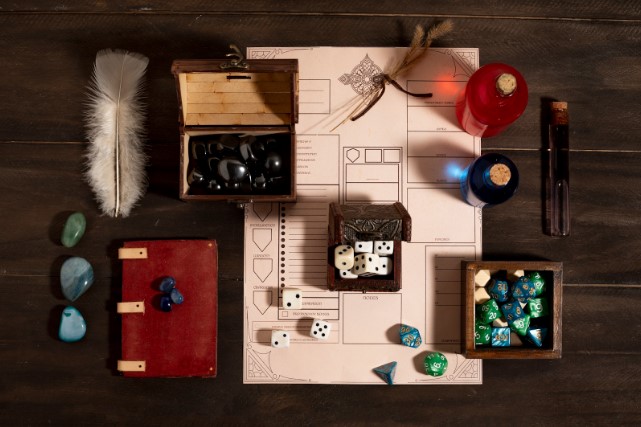
Players often meet coded locks at the very start. They spot symbols, numbers, or a cipher on the wall and feel the urge to decode fast. Many rooms use well‑known systems like Morse or Caesar so anyone can crack patterns with a bit of teamwork. Designers love symbols because they work in any theme. A laboratory might hide chemical formulas. A pirate cabin uses nautical flags.
Here are reasons symbolic puzzles keep attention:
-
Fast feedback. Entering the correct code opens something right away. Dopamine rush guaranteed.
-
Room for creativity. Teams combine clues from maps, notes, artifacts.
-
Universal language. Even mixed groups with different native tongues solve together.
-
Balance of pressure and reward. Timers often sit nearby to raise tension.
Experienced game masters tell a simple fact. At least one in three puzzles in any commercial escape room uses coded patterns of some kind. So people quickly learn to search for repetitions, align shapes, and connect hints spread across furniture.
Mechanical Challenges: Hands Busy, Brain Active
Nothing beats a puzzle you physically manipulate. Designers use sliders, gears, magnets, hidden sensors, and even water flow. Mechanical puzzles turn players into inventors for a moment. They twist, push, pull, match pieces or balance objects. Good rooms avoid fragile items. They pick durable parts built by carpenters and engineers.
A couple of practical features help teams:
-
Clear goal. Objects snap or click when aligned correctly.
-
Haptic memory. Fingers remember motion even when minds freeze.
-
Collaboration. Two people need to operate parts at the same time.
Escape room analysts noticed a trend. Adventurous themes like ancient temples rely heavily on mechanical tasks. More than 40 percent of players call these puzzles their favorite because movement breaks up long logic sequences.
Association Hunts: Stories Hidden in Plain Sight
Designers enjoy connecting props with meaning. A toy soldier and a star map point to a date in history. A stuffed raven reminds someone of a line from Poe. These association moments hit when players match a clue with knowledge stored in their head. It feels personal. The trick for creators is staying fair. Not everyone memorized every movie quote ever.
To keep things smooth:
-
Provide layered hints so no group gets stuck forever.
-
Build narrative bridges so the clue feels earned.
-
Use common references. Planets, animals, colors — easy effect.
Many rooms run playtests to remove leaps too wild for general audiences. When tuned right, associative tasks spark fun debates. Teams throw theories, test a few wild guesses, then laugh when the right idea clicks.
Searching and Spatial Awareness: Attention Wins
Players love looking under carpets and behind paintings. Searching puzzles take advantage of curiosity. Hidden compartments, UV markings, magnetic keys — all fair game. Some rooms build entire segments around precise observation. A tiny arrow on a vintage book cover. A floor tile slightly raised. Every detail can matter.
High‑quality searching puzzles avoid pure clutter. A space with hundreds of red herrings leads to chaos. The best designers set rules early. Only items bolted down stay irrelevant. Only objects with symbols contain secrets.
A few guidelines from industry veterans:
-
Hide clues at different heights. Tall friend and short friend both get roles.
-
Visual anchors guide scanning. A light source or contrast points to targets.
-
Reward teamwork. Spotted by one, retrieved by another.
Survey data from escape room fans shows a nice split. About 30 percent enjoy puzzle hunts the most because searching gives them something concrete to do at all times.
Why These Puzzles Work Together
Each type hits a different part of the brain. Codes train logic. Mechanisms add motion. Associations ignite imagination. Searching keeps bodies moving. Designers blend formats so no moment feels repetitive. Rooms that mix at least three puzzle styles get higher ratings from groups and review sites. That balance keeps motivation steady from start to finish.
Escape games remain a social activity. Solving a hidden lock with friends leaves stronger memories than watching a movie side by side. Time pressure turns cooperation into excitement. Victories inside the room — big or small — make people want to come back and chase another win.


Wowescape is a Free online escape games offer a fantastic way to challenge your mind, solve puzzles, and embark on thrilling adventures from the comfort of your computer . From classic single-room puzzles to complex, multi-room sagas, the genre has something for everyone. Whether you're a fan of point-and-click mysteries, a lover of horror, or just looking for a fun mental workout, here's a breakdown of what you can expect and some popular titles to get you started.